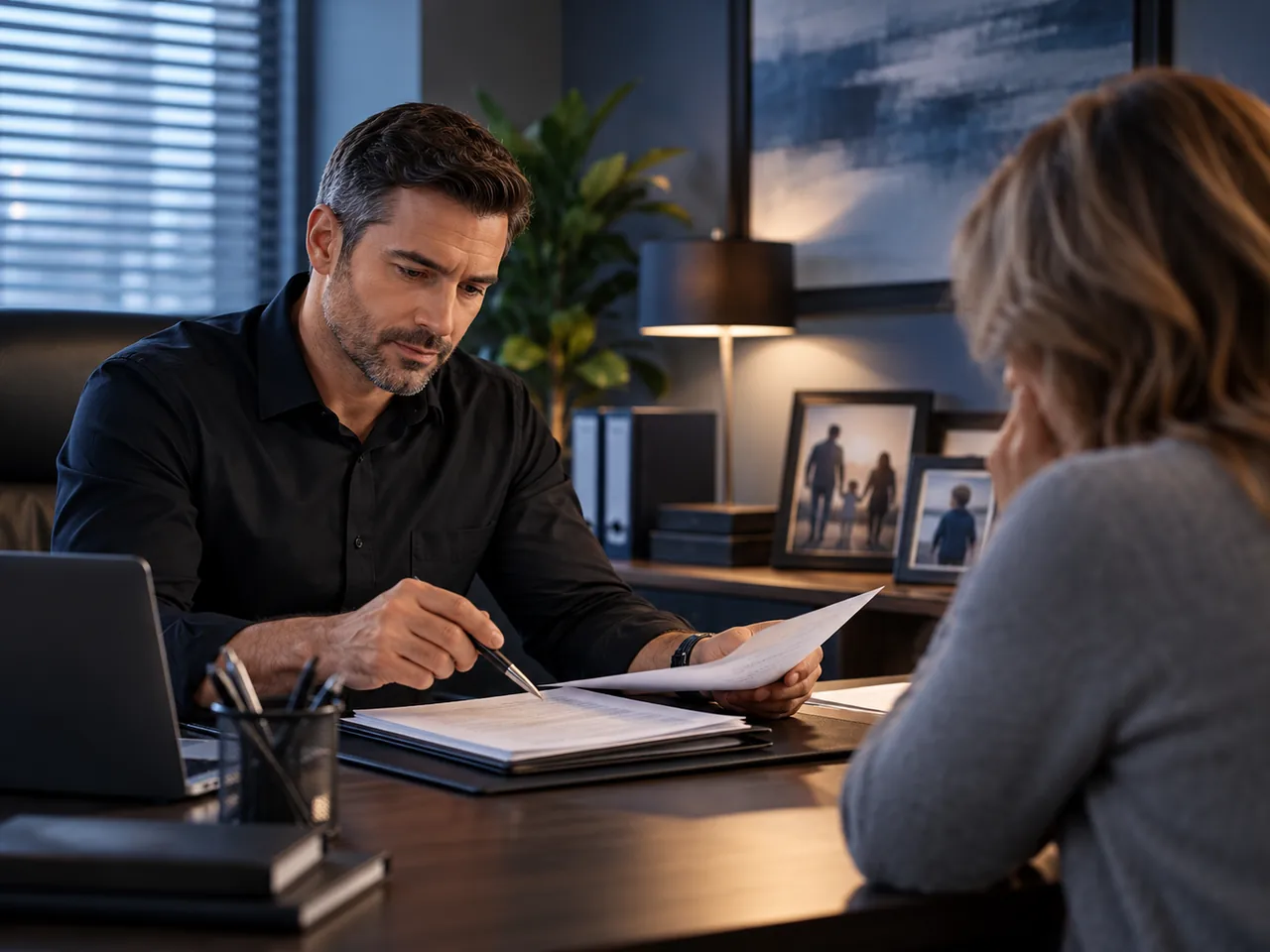
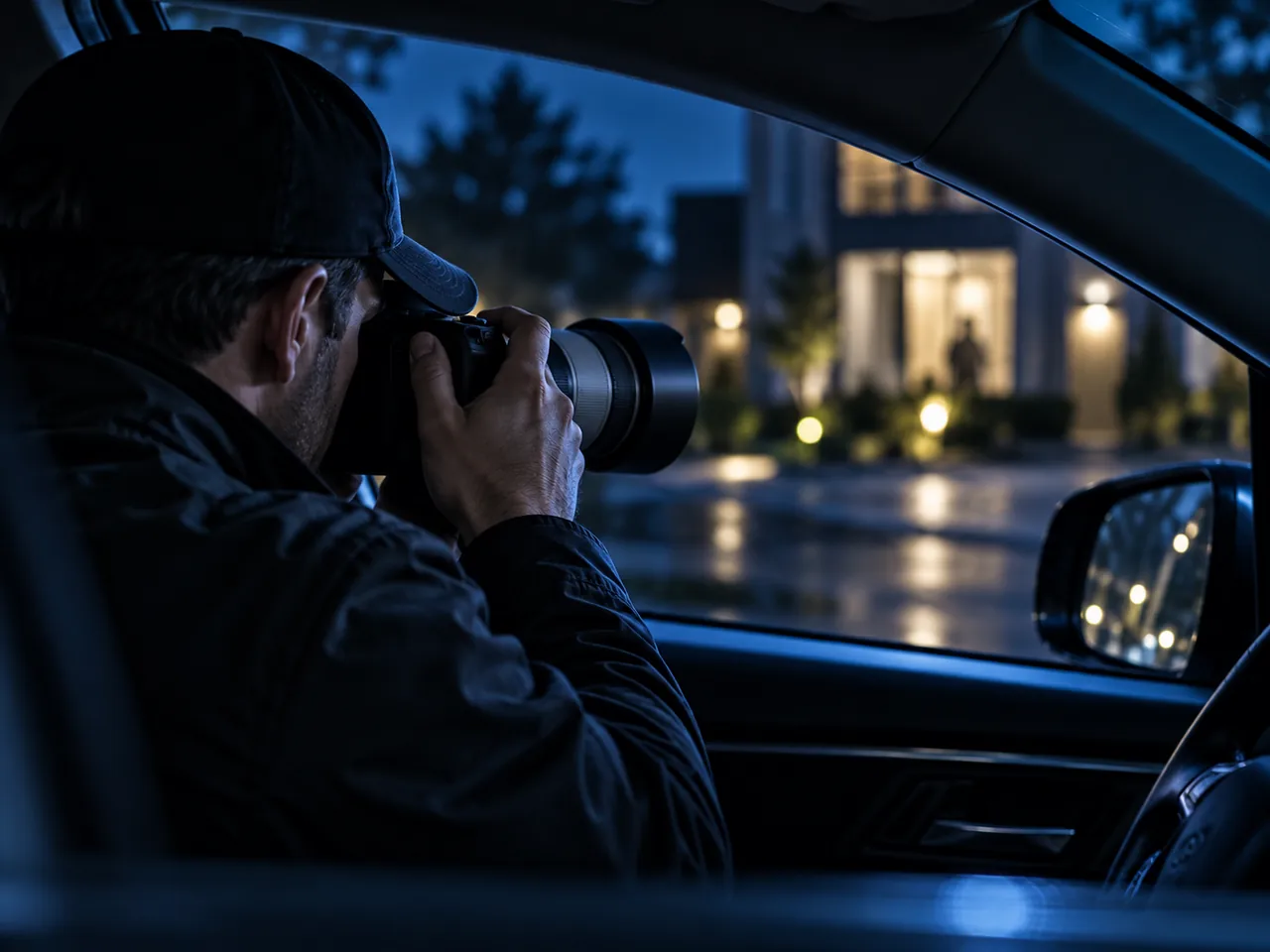
An investigation shaped around your questions.
- Clarifying the question surveillance may answer
- Developing a time- and location-specific plan
- Recording relevant observations as permitted by law
- Providing factual updates and documented findings
Surveillance is not a promise of results
Conditions, schedules, weather, access and behavior can all affect what an investigator sees. An initial conversation helps determine whether surveillance is proportionate to the objectives.
Respect legal boundaries
Investigative activities must comply with California privacy and other applicable laws. A private investigator does not have unlimited authority to track, record or enter private spaces.
Good notes make a difference
Useful reporting clearly distinguishes observed conduct, time and location from assumptions. Documentation should be understandable to the client and counsel.
Frequently asked questions
Is private surveillance legal in California?+
Some observation methods are lawful, but rules depend on circumstances and location. We assess the proposed scope before accepting an assignment.
How much surveillance time is needed?+
It depends on the objective, known schedule and other facts. We can discuss realistic options during intake.
Can surveillance be used in legal matters?+
Investigative documentation may be useful to attorneys, subject to lawful methods and legal review.