
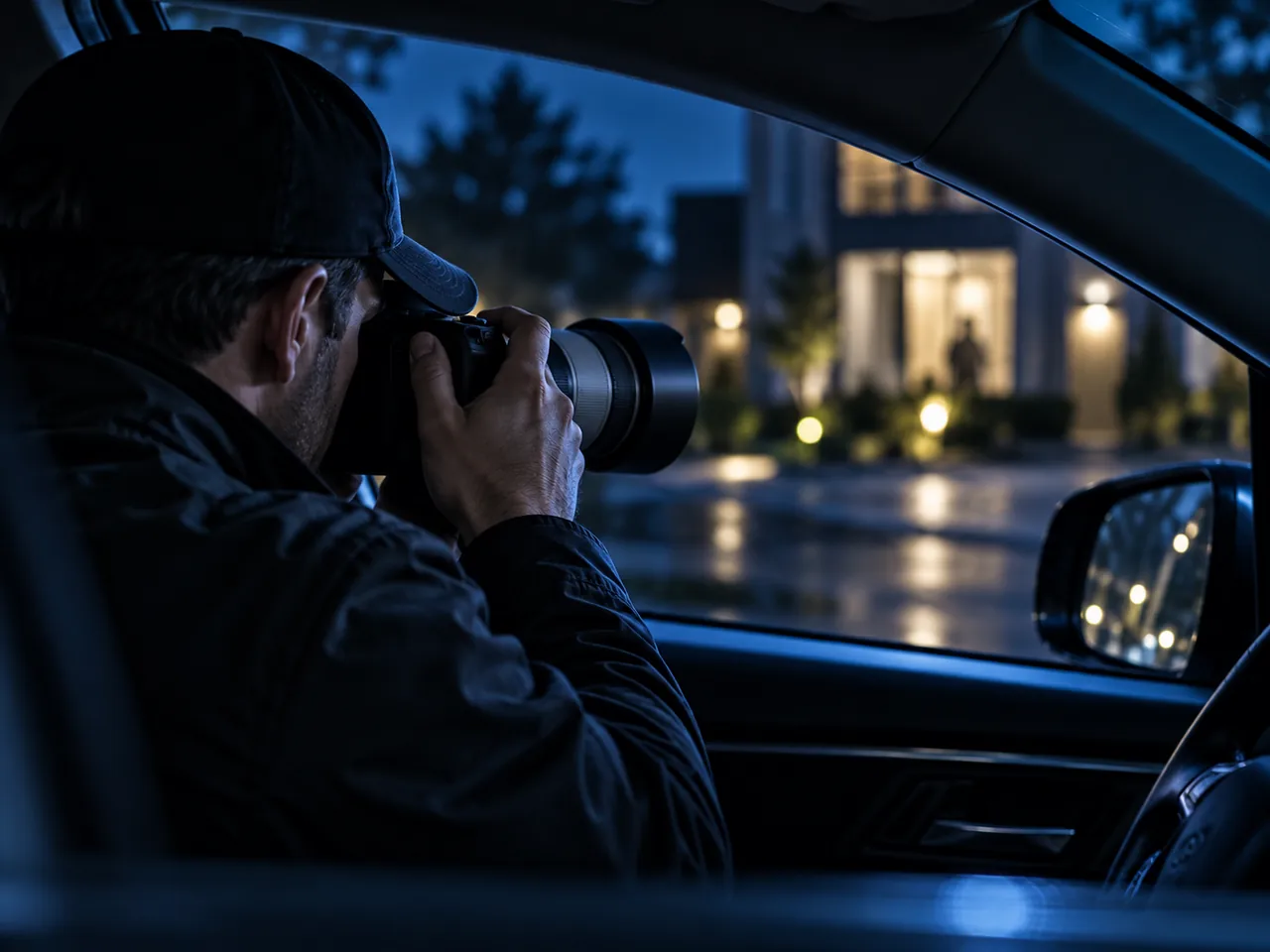
Start with a specific question
A narrow objective—such as documenting activity during an identified time window—may be more realistic than a vague request to “find everything.”
A useful plan accounts for uncertainty
Weather, schedules, access, local conditions and a person’s behavior all affect what can be observed. An investigator should discuss those uncertainties.
Not all recording is lawful
California privacy rules and other laws may restrict recording, tracking, access to property and collection of communications. An investigator should decline unlawful methods.
Reporting should separate fact from inference
Good notes identify what was observed and when, while avoiding claims about intention that cannot be established from observation alone.
Review outcomes against the original question
Even a report with no significant observations can reveal that the chosen window was not informative. Decide on further steps based on the evidence and cost-benefit balance.
Frequently asked questions
Can investigators use GPS tracking?+
Tracking rules depend on authority and circumstances; do not assume that installing a tracker is lawful.
Does surveillance always produce video?+
No. Sometimes observations or other permissible documentation are more relevant, and sometimes nothing material occurs.
Can attorneys use surveillance findings?+
Attorneys can assess whether lawfully collected information is relevant and how it may be used.